Written by Eli Cohn-Wein, Food Pantry Manager
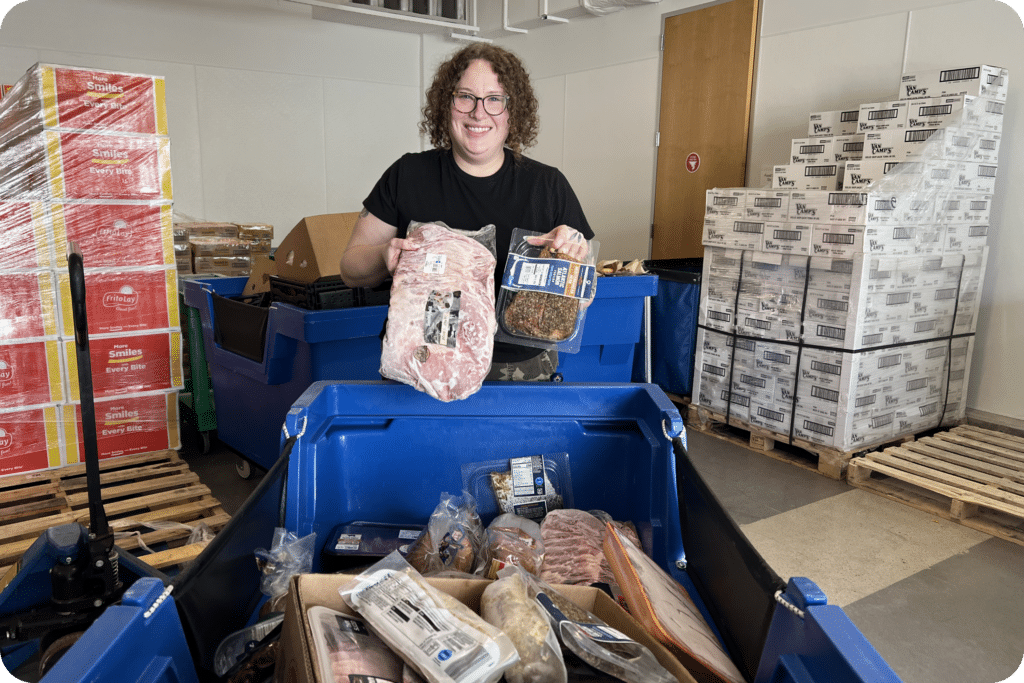
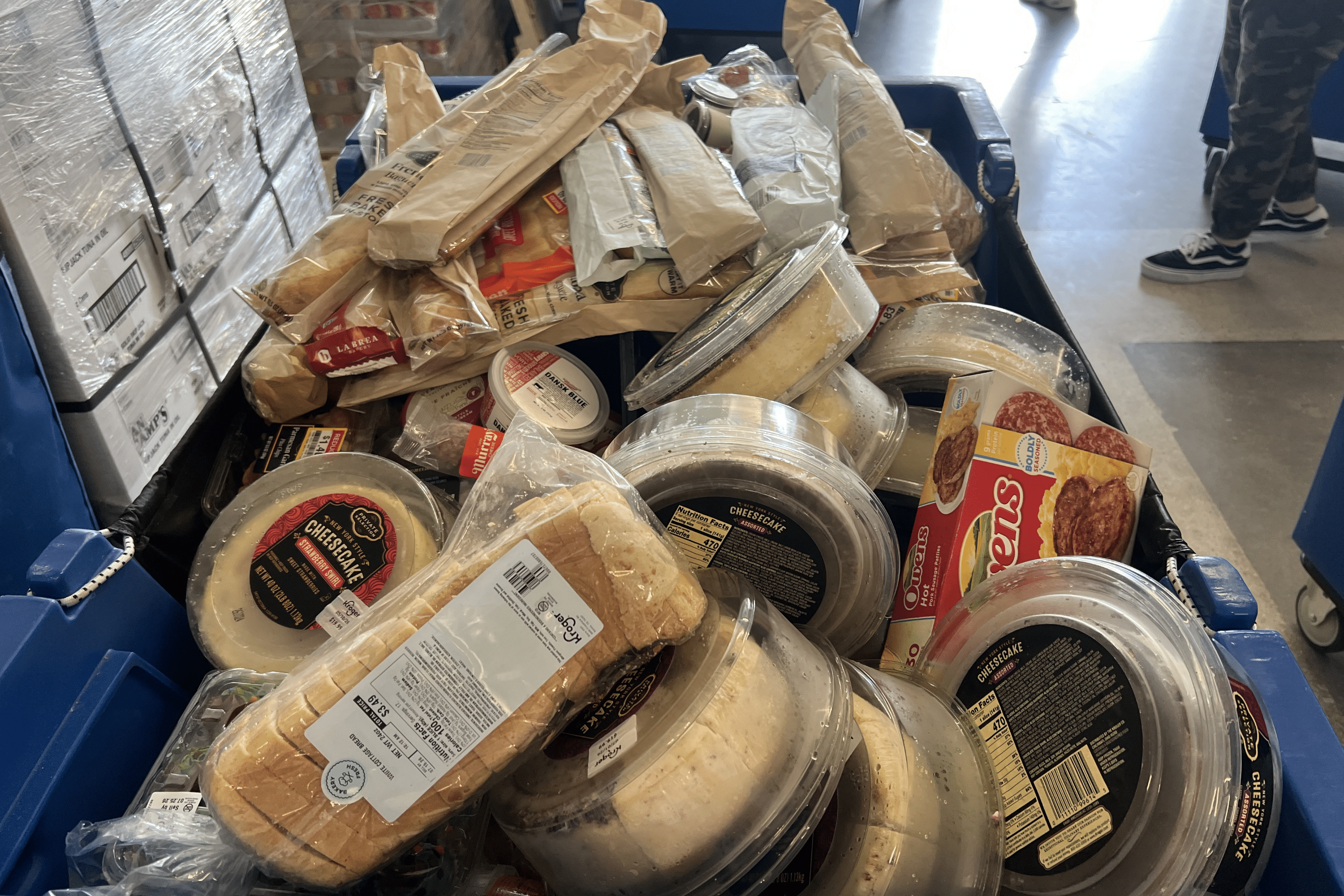
Every Monday, Wednesday, and Friday morning, our truck pulls up to Tom Thumb, Kroger, Target, Walmart, and Aldi stores across Dallas to rescue food that’s nearing its sell-by date but still nutritious and delicious. Food that would otherwise end up in a landfill becomes dinner for a family of four, breakfast for kids before school, or a fresh salad for someone who would otherwise struggle to access fresh vegetables.
This is food rescue, and it’s how we serve over 3,000 North Texans each month with fresh, nutritious groceries that go far beyond canned goods and dry pasta.
A fact that shocked me to learn as I started working at the JFS Dallas Food Pantry: excess food is the single largest category of material in American landfills, totaling over 131 billion pounds of waste per year, or nearly 25% of all municipal waste. All this while 744,000 people in North Texas—including 250,000 children—face hunger.
Claire Babineaux-Fontenot, the CEO of Feeding America, the nation’s largest hunger-relief organization, puts it perfectly: “It’s wholly unacceptable that in a nation that wastes increasing amounts of fresh, nutritious food, people are experiencing food insecurity at near-record rates.”
The solution? Wholesome food should fill fridges, not landfills. And that’s exactly what our retail partnerships make possible.
Just how much food are we talking about? Over the last year and change, our five retail partners have donated roughly $370,000 worth of food to our pantry—nearly a quarter of a million pounds. In the first four months of 2026 alone as we moved into our new building with its expanded ability to hold product, we rescued more than 109,000 pounds.
Our retail partnerships are coordinated through the North Texas Food Bank, which works with corporate offices to forge these relationships. Tom Thumb and Albertsons alone donated 2.5 million pounds through their Recipe for Change initiative last year, and most large grocery chains participate in some capacity.
But what makes it really work: boots-on-the-ground relationships.
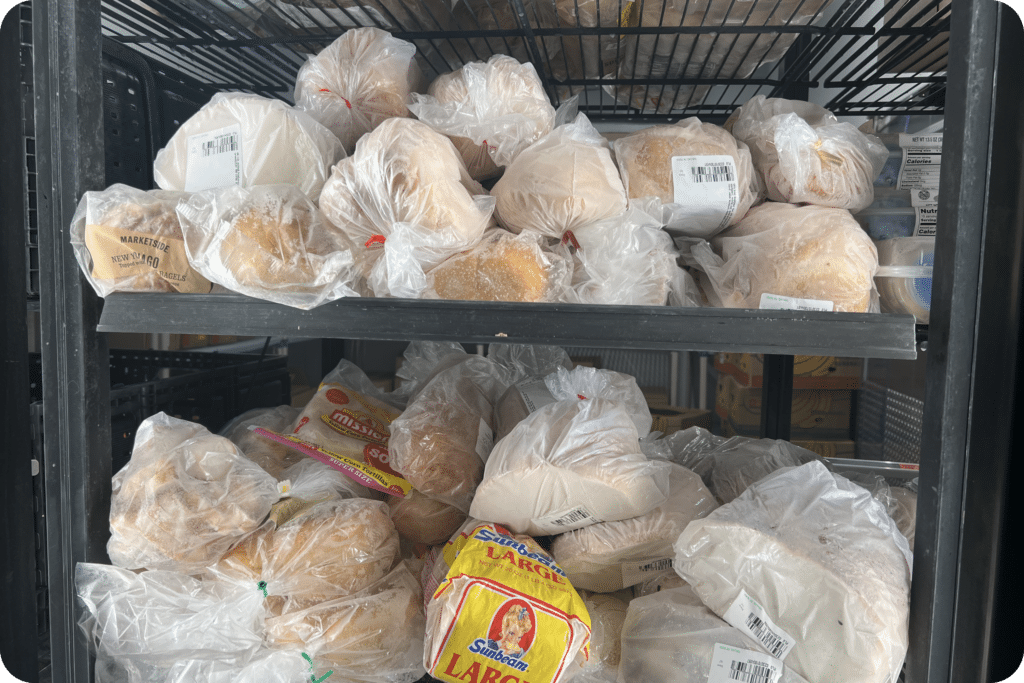
When I recently rode along on our pickup route, I met the team leads at each store. The produce manager who carefully sets aside donations every Monday morning. The bakery lead who bags up day-old bread with care. The meat and dairy department staff who coordinate pickups while running their busy departments.
“We’re glad this goes to families instead of the dumpster,” one manager told me. Another said they’ve been doing this for years and love knowing their work has dual purpose—running efficient departments while supporting neighbors in need.
These aren’t corporate programs happening somewhere far away. They’re your neighbors, at your local stores, making sure good food reaches people who need it.
This variety from retail rescue enables our client-choice shopping model. Instead of receiving a pre-packed box, families walk through our pantry like a grocery store, choosing items that match their tastes, dietary needs, and cultural traditions.
And it really is variety. When I look at what comes through our door, produce is the single biggest category—fresh fruits and vegetables make up more than a fifth of everything we rescue. Add in bread and bakery items, meat, dairy, and even fully prepared meals, and you start to see why this matters: this is real grocery access, not just “emergency food.” Proteins like rotisserie chicken and deli meats. Fresh eggs. Culturally diverse items, including kosher products. The kinds of things families actually want to put on their tables.
How You Can Help Keep This Going
- Thank a Store Manager: Next time you’re at Tom Thumb, Kroger, Target, Walmart, or Aldi, consider thanking a manager and asking if they partner with a food bank or pantry. The produce, bakery, meat, and dairy teams work hard to set aside donations, and sometimes upper management doesn’t realize what’s happening in those departments. A kind word goes a long way in keeping donations flowing.
- Shop at Partner Stores: Every time you choose these retailers, you’re supporting businesses that invest in community food security.
- Financial Donations: Retail rescue is incredible for fresh items, but we still need to purchase staples like cooking oil, spices, and culturally specific items. Cash donations give us the flexibility to fill those gaps.
- Volunteer: Our operation depends on people who sort donations, stock shelves, and welcome clients. Even answering pantry phones for 30 minutes makes it all possible.
The world can feel grim right now. It’s hard to know how each of us can improve our communities. That’s why it’s worth remembering: three times a week, our truck pulls up to stores across Dallas. Store teams set aside good food. Our drivers pick it up with care. Volunteers sort and stock it with pride. And families walk through our pantry choosing groceries for their dinner tables.
This is what community looks like. Retailers, food banks, volunteers, and families working together to ensure good food reaches everyone who needs it.