
For Holocaust survivors, the effects of trauma, displacement, and loss remain present throughout their lives, shaping health, finances, and emotional well-being long after the war. As time moves forward, the responsibility to care for survivors does not diminish—it becomes more urgent.
At Jewish Family Service of Dallas, the Holocaust Survivor Program exists to ensure survivors receive compassionate, dignified support in the realities of daily life. In recent years, the program has seen increased demand, in part due to immigration. Survivors and their families continue to relocate to North Texas seeking stability, affordability, or connection to community, often without established support systems. For many, this is the first time they have learned that survivor-specific assistance is available.
Over the past five years, JFS Dallas has provided services to 195 Holocaust survivors. Yet despite growing needs, many survivors are hesitant to ask for help. Lifetimes shaped by persecution and survival taught them to endure quietly, and stigma around receiving assistance can create powerful barriers. The Holocaust Survivor Care program works intentionally to break down those barriers through trust, cultural understanding, and person-centered, trauma informed care.
Support is personalized and may include care management, financial assistance, help accessing basic needs, and therapeutic and socialization programs. In the last year alone, our program distributed nearly $1 million to Holocaust survivors to help cover essential expenses such as homecare services, emergency assistance, medical and dental costs, equipment needs, funeral expenses, and meaningful holiday gift cards—resources that often make the difference between instability and security.
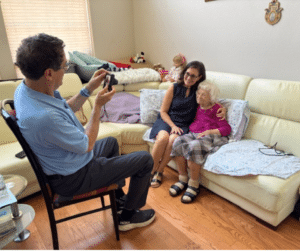
Connection is also a critical part of this work. Social isolation can deepen trauma, particularly as survivors age. Through technology and volunteer-based programs, JFS Dallas helps survivors stay engaged and supported. Over the past five years, 71 survivors received Uniper systems in their homes to promote connection, 33 were matched with Friendly Visitor volunteers for ongoing companionship, and 98 received comprehensive support including therapy, case management, and socialization opportunities.
As the survivor population ages, needs often become more complex, intersecting with rising costs of living, health challenges, and isolation. At the same time, growing antisemitism underscores the importance of ensuring survivors feel safe, valued, and supported within their community.
The Holocaust Survivor Care program is about more than services—it is about honoring lives through action and standing beside those who endured unimaginable loss. At JFS Dallas, our commitment to supporting survivors at this critical moment is unwavering.